Why Do Some Antiques Lose Value Over Time?
Just because something is old doesn’t necessarily mean it’s valuable. While certain antiques become more desirable with age, others gradually lose their appeal and market value. Whether you’ve inherited a family heirloom or have been collecting antiques for years, understanding what causes depreciation can help you make informed decisions about your possessions. Several factors can influence antique values, and some may surprise you.
Changes in Collector Demand and Market Trends
A major reason antiques lose value is changing consumer interest. Items that were once highly sought after can become less desirable as collecting habits and decorating preferences evolve.
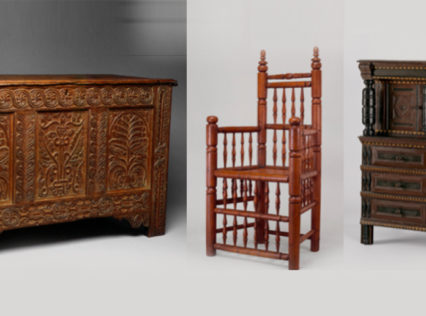
For example, certain styles of antique furniture, decorative glassware, and collectible figurines may experience declining demand as younger generations develop different tastes. Even pieces that were popular and expensive decades ago may struggle to attract buyers today.
The antique market also experiences fluctuations in supply and demand. When large quantities of a particular collectible become available, prices may fall if there aren’t enough interested buyers. An item can remain rare in excellent condition but still depreciate if collector interest disappears.
Damage, Restoration, and Poor Maintenance
The physical condition of an antique plays an important role in determining its value. Over time, improper storage, excessive sunlight, moisture, and everyday handling can cause damage that reduces an item’s desirability.
Common problems that can negatively affect antique values include:
- Cracks, chips, scratches, and missing components.
- Fading, discoloration, and water damage.
- Improper repairs or restoration techniques.
- Replacement parts that aren’t original to the piece.
- Excessive cleaning that removes original finishes or patina.
While restoration can sometimes preserve an antique, unnecessary alterations may reduce its value, particularly among collectors who prioritize originality.
Proper storage, careful handling, and appropriate maintenance can help protect valuable antiques from avoidable deterioration.
Changing Perceptions of Rarity and Authenticity
An antique’s value can also decline when new information becomes available about its origins or rarity. For example, an item originally believed to be exceptionally rare may lose value when additional examples are discovered. Similarly, research that challenges a piece’s attributed maker, age, or authenticity can significantly affect what collectors are willing to pay. Market prices can also change when comparable antiques sell for less than expected at auctions or through private sales.
Understanding these factors is why obtaining a professional antique appraisal can be helpful when evaluating inherited items, collections, or pieces you’re considering selling. If you’re curious about the current value of your possessions, contact us to learn more about your appraisal options.




 By Admin
  0 Comment
  Sep 15, 2026