 By Admin
  0 Comment
  Oct 8, 2026
 What is the American Studio Crafts Movement?
Often when we talk about the impact and continued popularity of mid-century furniture, the words Studio Crafts sneak into the conversation. Many items from the American Studio Crafts movement come ...
Call Us Now: 504-606-3837




Call Us Now: 504-606-3837
Have you ever wondered whether an old piece of furniture, family heirloom, or collectible is worth more than you think? While antiques often carry sentimental value, their actual market value depends on several factors. Just because something is old doesn’t necessarily mean it’s valuable. As such, it’s important to understand what influences antique values can help you make informed decisions about selling, insuring, or preserving your treasured possessions.
Age is one of the first things people consider when evaluating antiques, but it’s only part of the equation. An item that’s 150 years old isn’t automatically worth more than something made 75 years ago. Its rarity, craftsmanship, and historical importance can have a much greater impact on its value.
Antiques that were produced in limited quantities or have few surviving examples are often more desirable to collectors. Items associated with important historical events, notable manufacturers, or recognized artists may also command higher prices.
Additionally, identifying the original maker can significantly influence an antique’s value. Manufacturer markings, signatures, and documentation can help establish authenticity and distinguish valuable originals from reproductions.
The physical condition of an antique plays an important role in determining its worth. Collectors generally prefer pieces that retain their original materials, finishes, and components. Damage, missing parts, or extensive alterations can reduce an item’s market value.
However, some signs of age are expected and can even contribute to an antique’s character. For example, the natural patina on antique furniture may be more desirable than a newly refinished surface.
Provenance, or an item’s documented ownership history, is another important consideration. Original receipts, photographs, historical records, and previous appraisals can help establish authenticity and potentially increase collector interest. Before attempting repairs or restoration, it’s worth consulting an expert. Improper restoration can sometimes decrease an antique’s value rather than improve it.
Even rare antiques can fluctuate in value depending on current market demand. Collecting trends change over time, meaning certain styles, periods, and manufacturers may become more or less desirable.
For example, an antique furniture style that was popular with collectors decades ago might attract fewer buyers today. Auction results, comparable sales, and buyer preferences all help determine an item’s current market value.
It’s also important to understand that fair market value and insurance replacement value aren’t necessarily the same. A professional antique appraisal considers the purpose of the valuation alongside the item’s characteristics and relevant market information.
The Appraisal Group helps individuals understand the value of their antiques, fine art, and collectibles through professional appraisal services. Whether you’re preparing to sell a family heirloom, evaluating an estate, or documenting valuables for insurance purposes, we’re here to help. Contact us at 504-606-3837 to schedule a consultation and learn more about what your antiques may be worth.
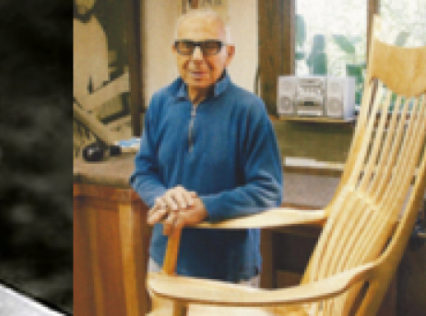
Often when we talk about the impact and continued popularity of mid-century furniture, the words Studio Crafts sneak into the conversation. Many items from the American Studio Crafts movement come ...
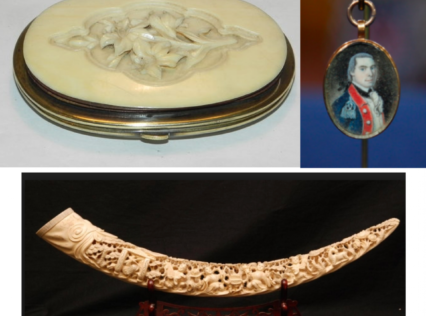
Over the years, ivory has been used in everything from Russian and English miniatures to Chinese carvings. What was once a thing of beauty is now a thing that reflects concern for the world’s endan...
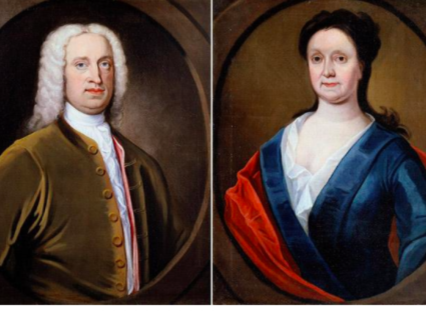
The Jewish Museum is the latest to display fraudulent paintings from its collection. As fine art appraisers, The Appraisal Group cautions that you should take an appraisal of your collection to det...
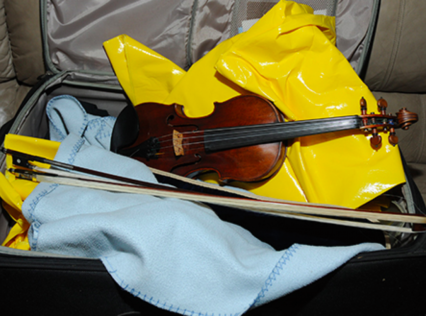
Are you aware that the FBI maintains a database of stolen fine art and cultural property? The FBI also maintains a rapid deployment Art Crime Team (ACT) that swings into action when high profile ar...
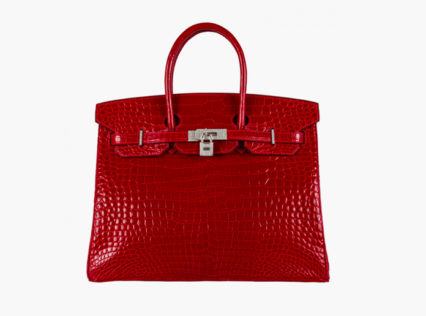
The Appraisal Group challenges you to find out what kind of collector you are. New Age or Old School? . You would pay $300,000 for a Birken bag if you could. / / You are emotional about the...
Museums are responsible for preserving history, culture, and valuable collections for future generations. Whether acquiring new pieces, accepting donations, managing existing collections, or prepar...