 By Admin
  0 Comment
  Dec 16, 2022
 How Often Should You Have Artwork Appraised?
Whether you own a single valuable painting or an extensive fine art collection, keeping your appraisals current is an essential part of protecting your investment. Artwork values can change over ti...
Call Us Now: 504-606-3837




Call Us Now: 504-606-3837
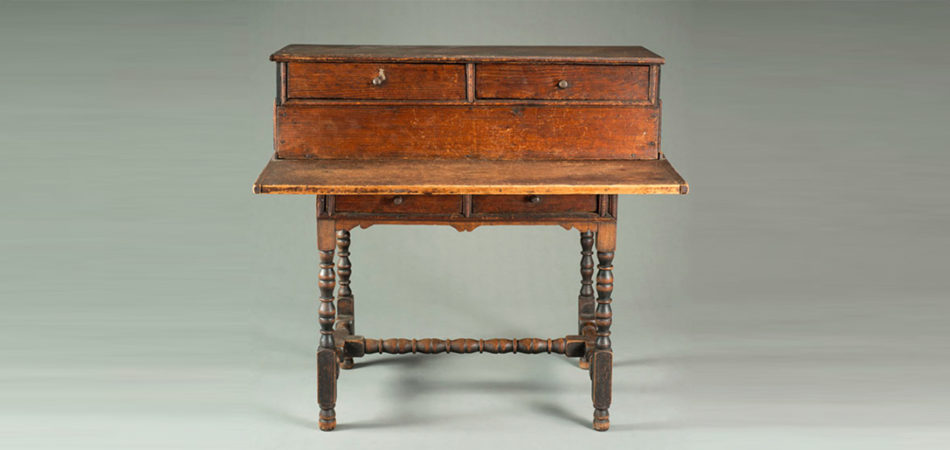
Hard to believe, but there was a time period in American history that desks were not thought of the way view them today. The Appraisal Group thinks it is important to note outstanding antiques and there wherefores and whys. It’s a way of preserving the past and enlightening you about why something as ordinary looking as a desk might have considerable influence on social history.
Recently the Historic Deerfield museum) , Deerfield, MA, acquired a circa 1700 desk owned and signed by the Reverend Nehemiah Bull (1701-1740) of Westfield, Mass. Much is being made of this acquisition in the antiques trade papers because it is such a rarity.
The ancient desk was made before desks as we think of them today were made.The desk is believed to have been a special commission designed to store separate files of papers. What kind of papers would a minister have? According to Christine Ritok, Historic Deerfield’s associate curator, the desk may have been made for another minister, Rev. Edward Taylor of Westfield, MA, who was also a poet. “Taylor was a renowned clergyman in his day but is also remembered for his nationally important poetry and journals, which all had to be stored somewhere, such as the Bull desk.
As with all antiques, the quirks tell the back story. In this case, the turning style of the legs and the brackets are related to other objects in the same time frame with Springfield associations. Likely, it was made in Springfield.
Ms. Ritok also stated, “Taylor’s 1729 probate inventory lists ‘1 Studdy Table’ at ten shillings. Could this refer to Bull’s desk? It’s possible.”
Rev. Taylor was born in England in the 1640s, came to Westfield in the early 1670s, groomed Bull as his successor in the Westfield pulpit after 1726, and died in 1729. Reverend Bull, in turn, was the father of Deerfield blacksmith and gunsmith John Partridge Bull (1731-1813).
The Bull desk will be on view in the Ashley House at Historic Deerfield later this spring.
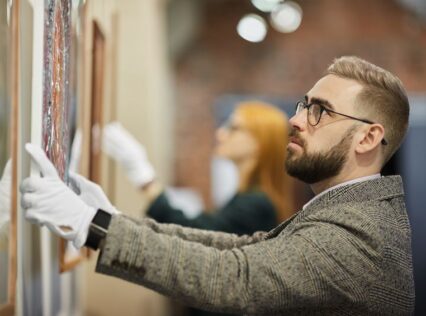
Whether you own a single valuable painting or an extensive fine art collection, keeping your appraisals current is an essential part of protecting your investment. Artwork values can change over ti...

Photography came of age in the last century and is now one of the most popular collecting categories. At The Appraisal Group, we frequently come across collections of 19th and 20th century works by...
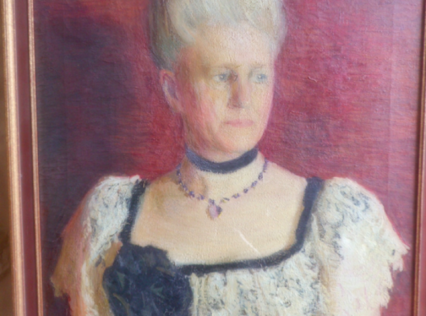
Of the many fine art and antique appraisals we do, most clients would like to realize a profit on their fine art and historic furniture. Placing an oil painting or antiques with the right buyer – ...
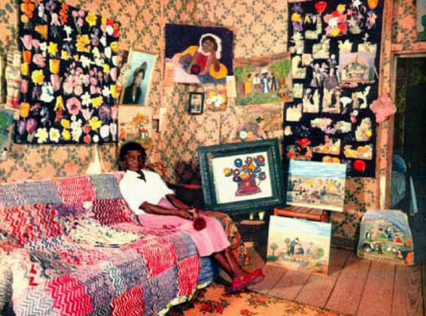
The Appraisal Group celebrates the work of Louisiana’s own Clementine Hunter (1886-1998). From the Cane River region of the state, Ms. Hunter is among the first African-American artists to have a s...
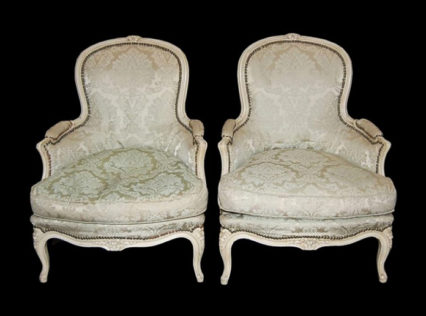
If your collection is your passion, it pays to know how much value you should place on it. Perhaps you know to the decimal point how much you paid for cars, furniture or fine art. Perhaps you don’t...
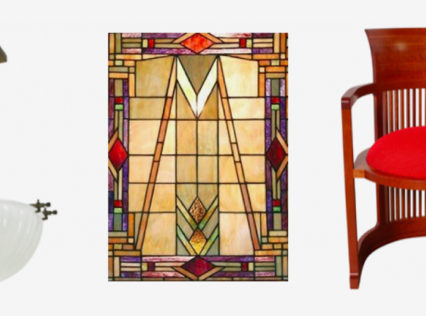
This week The Appraisal Group is featuring the look book of 20th-century Americana. Today, we visit Prairie style. Solidly American, Prairie Style was an outgrowth of the American Arts and Crafts M...